
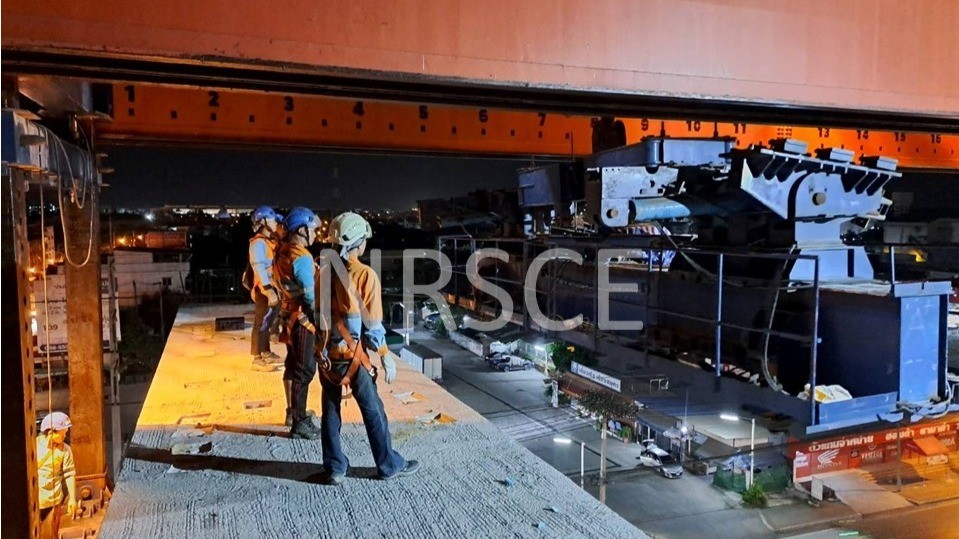
A Day in the Life of an Onsite Engineer: Insights from Six Years of Experience.
Onsite engineering is more than just reading blueprints and following plans. Here is a closer look from an exclusive interview with an onsite engineer.
What inspired you to become an onsite engineer?
My primary motivation for working on-site, especially in infrastructure, is to gain a hands-on understanding of how everything truly operates and to discover the unique practical techniques involved.
I believe that to excel in this field, it is crucial to grasp every step of the work process,
as theoretical knowledge from university and seeing things only through photos simply cannot compare to real-world experience.
How did you develop a deeper understanding through hands-on experience?
“Being on-site provides a much clearer picture of the work, leading to a deeper understanding of operational details,”I often reflect.
Six years working directly on projects has shown me that firsthand experience is essential to grasping the complexities and nuances that drawings and reports alone cannot convey.
Can you explain your daily routine?
My day usually begins with setting clear daily goals while preparing for potential scenarios- both when work goes smoothly and when unexpected issues arise.
Reviewing work procedures to ensure they comply with engineering principles and safety standards is a key part of the morning routine. Before any work begins,
ensuring all staff are prepared and properly equipped with personal protective equipment (PPE) is non-negotiable.
Success depends on a clear understanding of each task’s objectives. I develop detailed plans outlining task sequences,
parallel activities, and resource allocation—including manpower, machinery, and tools. Operational constraints, like road closure times, are factored in to avoid delays.
How do you navigate through technical challenges or unexpected site conditions?
Every project presents challenges. When issues are too complex or unsafe to resolve on-site, an assessment determines that safety or structural integrity could be compromised, operations must be halted immediately. The best approach is to collect all relevant data, propose initial solutions, and escalate the problem to superiors for root cause analysis and determine the appropriate course of action for resolution.
I ensure detailed information is communicated, sometimes waiting until office hours to engage the right experts. Timely, clear communication is vital to resolving problems efficiently.
Through close collaboration, the design is carefully checked, and necessary adjustments are implemented, allowing the project to move forward and be completed successfully.
This process helps maintain project momentum without compromising safety or quality.
What are essential tools and technologies you use as an Onsite Engineer?
One of the most useful tools relied upon is the laser distance meter. This measuring instrument allows for quick and relatively accurate distance readings, even over long ranges. Since work often involves large machinery and sizable workpieces,
precise positioning is critical to ensure smooth operations. It is also essential when working with cranes, as frequent checks of the crane’s working radius ensure safe lifting conditions.
In addition, Cloud Storage is used for gathering and organizing all necessary construction documents and drawings for the job site. This helps ensure that all team members have easy access to up-to-date information,
Improving coordination and overall project efficiency.
What is the most rewarding part of the Job?
Hands-on experience remains the greatest reward. Being directly involved means continuous learning, practical problem-solving, and witnessing the tangible results of our efforts.
What advice would you give to aspiring Onsite Engineers?
Stay hardworking and dedicated. Success in onsite engineering comes from consistent effort, attention to detail, and a willingness to learn from every challenge.